
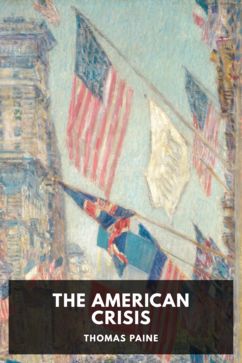
The American Crisis - Thomas Paine
Let's set the scene. It's December 1776. George Washington's Continental Army has just been chased out of New York, losing battle after battle. They're retreating across New Jersey, cold, hungry, and their enlistments are about to expire. The dream of independence isn't just fading—it's about to be snuffed out. Into this moment of pure crisis steps Thomas Paine, not with a general's orders, but with a printing press. 'The American Crisis' is a series of 13 pamphlets he wrote during the war, but the first one, published that dark December, is the knockout punch.
The Story
There's no traditional plot here with characters and chapters. Instead, imagine getting a brutally honest newsletter from the front lines. Paine writes directly to the common soldier and the average citizen. He doesn't sugarcoat their terrible situation. He calls out the 'summer soldier' and the 'sunshine patriot'—the folks who are all for freedom when it's easy. His goal is simple: to convince a crumbling army and a wavering public that their cause is still just, and that perseverance, right now, is everything. He argues, pleads, and inspires, mixing logical argument with fiery rhetoric to turn fear into resolve.
Why You Should Read It
You should read this to feel the revolution's heartbeat when it was weakest. History books give us the outcome, which makes the struggle seem destined. Paine's words strip that away. You feel the real risk, the genuine chance of total failure. His writing isn't fancy; it's powerful because it's clear and urgent. He's not writing for kings or philosophers—he's talking to farmers and blacksmiths. When he says, 'Tyranny, like hell, is not easily conquered,' you understand the sheer scale of what they were up against. It makes the eventual victory feel earned, not inevitable.
Final Verdict
This is perfect for anyone who thinks history is just dates and dead people. It's for the reader who wants to feel the sweat and doubt behind a major moment. If you liked the human drama in shows like John Adams or wonder what ordinary people really thought when they bet everything on a revolution, this is your primary source. It's a short, potent shot of American passion, straight from the source, no textbook filter. Keep it on your shelf next to your modern political reads—the parallels in how language is used to rally people in dark times are startling.
This publication is available for unrestricted use. Feel free to use it for personal or commercial purposes.




Emma Wright
2 years agoFinally a version with clear text and no errors.