
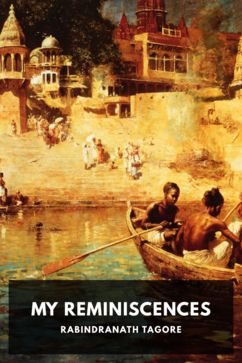
My Reminiscences - Rabindranath Tagore
Put aside any idea of a dry, chronological life story. 'My Reminiscences' is a collection of memories, stitched together like scenes from an old, cherished film. Tagore starts with his earliest childhood in the vast, aristocratic Jorasanko mansion in Kolkata. He paints vivid pictures of a boy who felt trapped by formal schooling and rigid lessons, finding his real education in the gardens, by the river, and in the rhythms of the sprawling household.
The Story
The book moves through key moments that built the man. We see his first attempts at writing, encouraged by an older brother. We feel the profound impact of his mother's death and the weight of his family's literary legacy. He recounts travels to the Himalayan foothills, which opened his soul to nature's grandeur, and his early, often awkward, experiments with managing the family estates in rural Bengal. These experiences, far from city life, directly fed into his later writing and his deep connection with the land and its people. It's less about what he did and more about what he felt and observed along the way.
Why You Should Read It
You read this to understand the soil from which the poetry grew. Tagore's voice here is disarmingly honest. He doesn't make himself a hero; he shows us a curious, sometimes rebellious, deeply feeling child. His descriptions of people and places are so sharp and full of emotion that you feel you're right there with him. The book demystifies genius. It shows that even for someone like Tagore, creativity wasn't a sudden bolt of lightning. It was a slow burn, fueled by observation, solitude, joy, and heartache. It’s a powerful reminder that an artist's work is inseparable from their life.
Final Verdict
This book is perfect for anyone who loves Tagore's work and wants to know the man behind 'Gitanjali.' It's also a great pick for readers who enjoy thoughtful, lyrical memoirs about childhood and artistic awakening. If you prefer fast-paced plots, this might feel slow. But if you're in the mood for a calm, reflective, and beautifully written look into a remarkable mind, you'll find it incredibly rewarding. Think of it as a quiet afternoon with a master storyteller, reminiscing about the days that made him.
This text is dedicated to the public domain. You do not need permission to reproduce this work.
Michael Young
10 months agoWow.
Robert Torres
1 year agoFast paced, good book.
George Martinez
1 year agoI didn't expect much, but the depth of research presented here is truly commendable. Worth every second.
Andrew Hernandez
5 months agoI didn't expect much, but the atmosphere created is totally immersive. Exactly what I needed.



Elizabeth Ramirez
7 months agoVery helpful, thanks.