
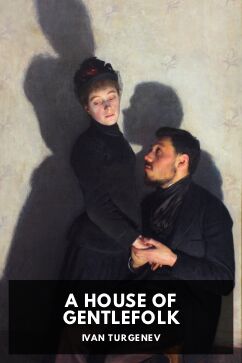
A House of Gentlefolk - Ivan Turgenev
Let me paint the scene for you. It's 19th century Russia, on a peaceful country estate. Fyodor Lavretsky comes home. He's been through the wringer—a terrible marriage to a frivolous socialite in Paris that left him bruised and distrustful. He just wants peace, to reconnect with his land and live a simple, honest life. That's when he meets Liza Kalitina.
The Story
Liza is different. She's thoughtful, deeply religious, and has a calm strength that draws Lavretsky in. They start spending time together, talking about life and big ideas. You can feel this slow, gentle love growing between them. It feels like a second chance, a promise of real happiness built on something solid, not society's glitter. Just as you start rooting for them, believing they might make it, Lavretsky's old life crashes the party. News arrives that his wife has died abroad. He's free. It seems like fate is finally on their side. But then, a bombshell: the news was wrong. His wife is very much alive and on her way back to Russia. In an instant, their dream future shatters. The book becomes a heartbreaking look at duty, honor, and the painful choices we make when love and obligation collide.
Why You Should Read It
I love this book because Turgenev doesn't shout; he whispers profound truths. He captures that specific ache of wanting something you know you can't have. Lavretsky isn't a flashy hero, he's a good man trapped by the rules of his time and his own sense of what's right. Liza is incredible—her inner strength and faith guide her choices in a way that feels both tragic and noble. The book isn't just a sad love story. It's a snapshot of a changing Russia, where old aristocratic values are starting to feel empty. It asks big questions about where we find meaning: in passion, in duty, in faith, or in quiet service to others? The ending left me sitting quietly, just thinking, which is the mark of a great story.
Final Verdict
This book is perfect for anyone who loves character-driven stories that focus on emotional truth over plot twists. If you enjoyed the quiet tension of Jane Austen or the moral dilemmas in George Eliot's work, you'll find a friend here. It's also a fantastic, accessible entry point into Russian literature—it's shorter and more focused than some of the real doorstoppers! Give it a go if you're in the mood for a novel that's thoughtful, beautifully written, and will make you feel deeply. Just don't expect a fairy-tale ending.
This text is dedicated to the public domain. You are welcome to share this with anyone.
Betty Scott
4 months agoI started reading out of curiosity and the flow of the text seems very fluid. Absolutely essential reading.
Mark King
1 year agoFrom the very first page, the atmosphere created is totally immersive. One of the best books I've read this year.
Patricia Flores
9 months agoBased on the summary, I decided to read it and the depth of research presented here is truly commendable. I would gladly recommend this title.
Aiden Robinson
6 months agoEssential reading for students of this field.





Karen Torres
4 months agoGreat read!